
Accidentally Formatted Your Hard Drive? Can Your Data Still Be Recovered?
July 13, 2026
Hard Drive Detected but Not Opening? Here’s How to Fix It Safely
August 4, 2026Accidentally deleting important files can happen to anyone. Whether it’s an office document, family photos, project files, or business records, the feeling of realizing you’ve deleted something valuable can be overwhelming.
Before you panic, there’s good news—deleted files are often recoverable, especially if you act quickly. The biggest mistake people make is continuing to use the storage device, which can overwrite the deleted data.
In this guide, we’ll explain what happens when files are deleted, what you should do immediately, and how to maximize your chances of recovering your important data.
Are Deleted Files Really Gone?
Not immediately.
When you delete a file, your computer usually removes its reference from the file system, making it appear as though it’s gone. However, the actual data often remains on the storage device until new data overwrites it.
This means there’s a good chance of recovering deleted files if you avoid using the device after the deletion.
1. Check the Recycle Bin
It may sound obvious, but many accidentally deleted files can be restored from the Recycle Bin.
Simply:
- Open the Recycle Bin.
- Locate the deleted file.
- Right-click and select Restore.
If the file isn’t there, don’t worry—there are still other recovery options.
2. Stop Using the Storage Device
If the deleted files are important, stop using the affected device immediately.
Avoid:
- Saving new files.
- Downloading software.
- Installing updates.
- Copying data onto the same drive.
New data can overwrite deleted files, making recovery much more difficult.
3. Check Your Backups
If you regularly back up your data, you may be able to restore your files without needing data recovery.
Look for backups in:
- External hard drives
- Cloud storage services
- Windows Backup
- File History
- Company backup systems
Restoring from a backup is often the quickest solution.
4. Understand How the Files Were Deleted
Recovery methods depend on how the files were lost.
For example:
- Accidental deletion
- Shift + Delete
- Emptying the Recycle Bin
- Virus attack
- Formatting the drive
- Partition loss
Identifying the cause helps determine the most effective recovery approach.
5. Avoid Installing Recovery Software on the Same Drive
Many users download recovery software directly onto the drive where files were deleted.
This can overwrite the very data you’re trying to recover.
If you choose to use recovery software, install it on a different storage device.
6. Recover Files as Soon as Possible
The longer you continue using the device, the higher the chance that deleted files will be overwritten.
Early action significantly improves the chances of successful recovery.
If the files are extremely valuable, avoid experimenting with multiple recovery tools.
What Types of Files Can Be Recovered?
Professional data recovery specialists can often recover:
- Word documents
- Excel spreadsheets
- PDF files
- Photos
- Videos
- Emails
- Business records
- Project files
- Database files
Recovery depends on the condition of the storage device and whether the deleted data has been overwritten.
What NOT to Do
To improve your chances of recovery, avoid these common mistakes:
- Don’t continue using the affected drive.
- Don’t install software on the same drive.
- Don’t format the storage device.
- Don’t create new partitions.
- Don’t repeatedly attempt recovery with different tools.
These actions may permanently overwrite deleted files.
When Should You Contact a Professional?
Professional help is recommended if:
- Important business files were deleted.
- Family photos or videos are missing.
- The Recycle Bin has been emptied.
- Recovery software cannot find the files.
- The storage device has physical damage.
Professional recovery specialists use advanced tools to recover deleted files from hard drives, SSDs, USB drives, memory cards, RAID systems, and servers.
Why Choose Arihant Data Recovery?
At Arihant Data Recovery, we help individuals and businesses recover deleted files from a wide range of storage devices.
Our experts recover data from:
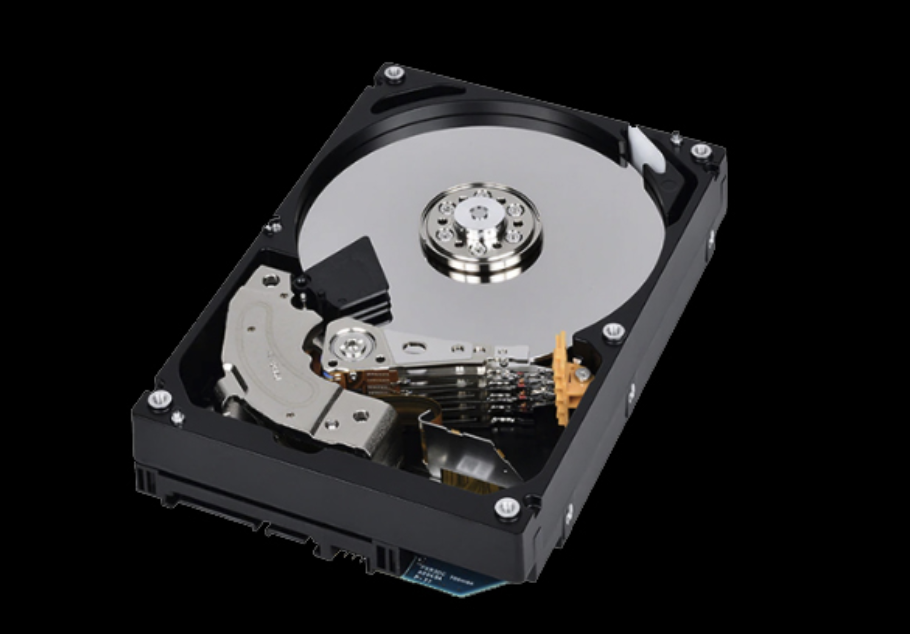
- Hard Drives (HDD)
- Solid State Drives (SSD)
- External Hard Drives
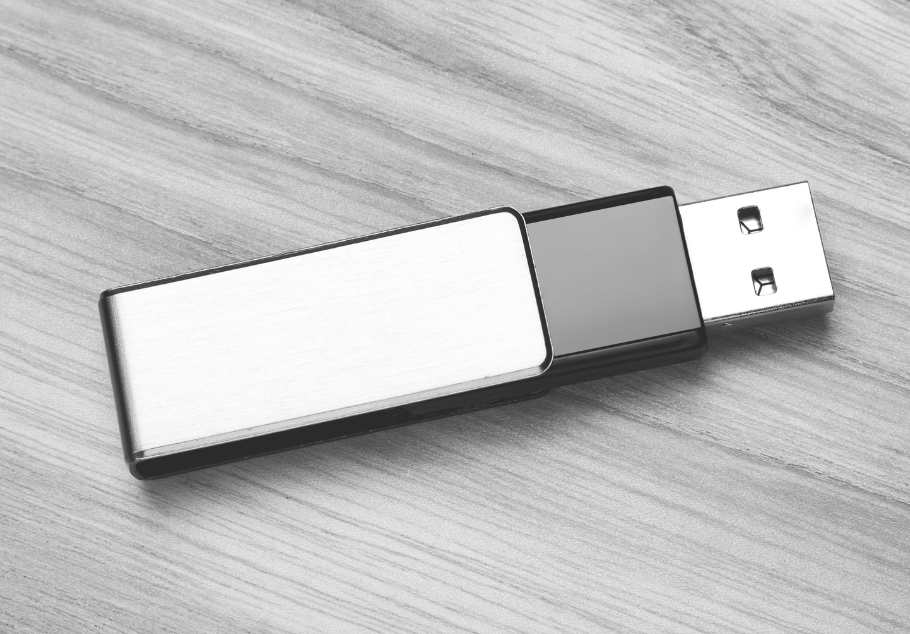
- USB Flash Drives
- Memory Cards
- RAID Servers
- NAS Storage
Using advanced recovery techniques, we work to retrieve your valuable data while maintaining complete privacy and confidentiality.
Helpful Links
Explore Our Data Recovery Services:
https://arihantdatarecovery.com/service/
Contact Our Recovery Experts:
https://arihantdatarecovery.com/contact-us/
Read More Data Recovery Guides:
https://arihantdatarecovery.com/blog/
Frequently Asked Questions
Can permanently deleted files be recovered?
Yes. In many cases, permanently deleted files can still be recovered if they haven’t been overwritten.
Does emptying the Recycle Bin permanently erase files?
Not immediately. The file references are removed, but the actual data may still exist until new data replaces it.
Can deleted photos and videos be recovered?
Yes. Professional data recovery specialists can often recover deleted photos and videos from hard drives, SSDs, memory cards, and USB drives.
How long do I have to recover deleted files?
There’s no fixed time limit. Recovery depends on whether new data has overwritten the deleted files. The sooner you stop using the storage device, the better the chances of successful recovery.
Final Thoughts
Accidentally deleting important files doesn’t necessarily mean they’re gone forever. The key is to act quickly, stop using the affected storage device, and avoid actions that could overwrite your data.
Whether you’ve lost personal memories, office documents, or business-critical information, timely action can make all the difference.
If you need expert assistance, Arihant Data Recovery provides professional and secure data recovery services to help recover deleted files from hard drives, SSDs, USB drives, memory cards, RAID systems, and other storage devices. Our experienced team is committed to helping you recover what matters most.